
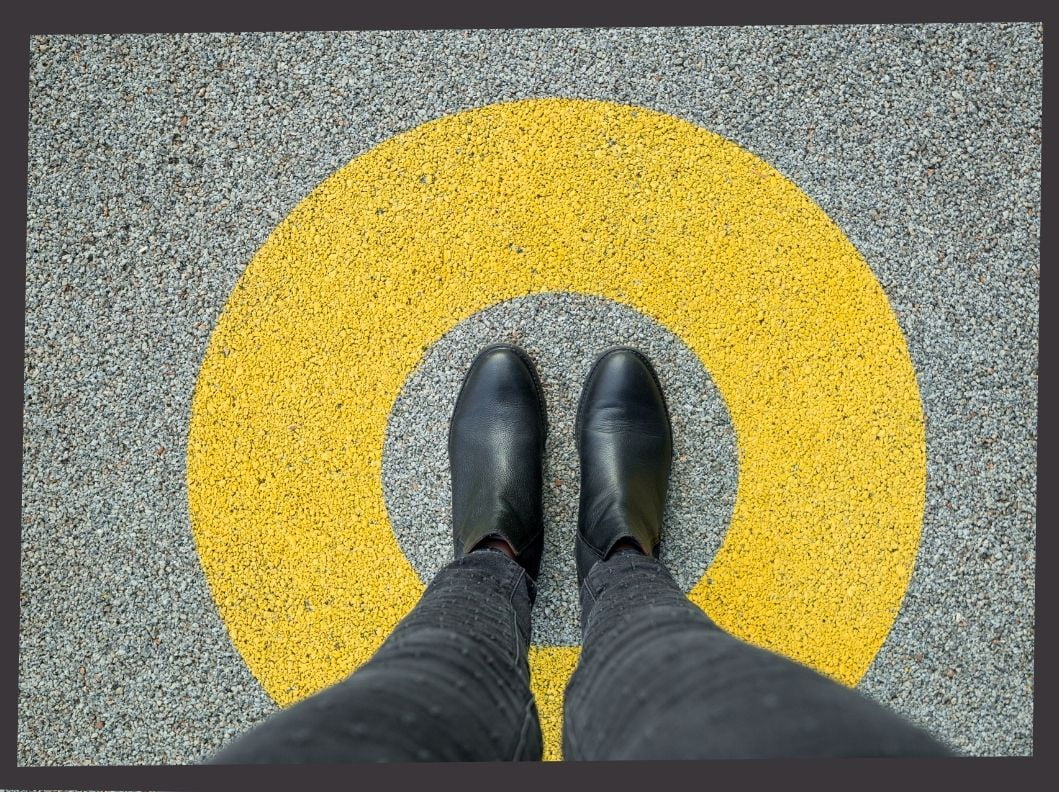
I may turn your thinking about your comfort zone upside down.
You may already be feeling some discomfort. What does comfort even mean?
Let’s look at a definition.
Comfort is:
- in general, conditions that provide peace, comfort and elegance
- a state of satisfaction and absence of trouble
- simply comfort.
To me, this all sounds very comfortably, unless you’re one of those people who feel most comfortable on survival expeditions, or you’re a scout and you carry your own water and build a toilet on camping trips.
However, if you are in the group of people who appreciate a comfortable situation, then comfort by the above definition should encourage rather than discourage you. After all, we all want to feel good and comfortable, we don’t want hassle and we want to feel satisfied. I think we can easily create a definition of discomfort based on the one above.
Analogically discomfort is:
- lack of general conditions that provide peace, comfort and elegance
- lack of a state of satisfaction and a lot of trouble
- lack of comfort.
Why, then, are we so often stuck in a zone of discomfort if there is no peace, no comfort, no elegance, no state of satisfaction but trouble?
Perhaps because we are quite comfortable in it. Paradoxically, the zone of discomfort sometimes becomes very comfortable for us.
It’s as if we’re looking for a certain balance or agreeing to compromise – well, there’s no full satisfaction, but it’s reasonably safe.
How much easier it is often for us to change nothing, to keep our heads down, to find 1,200 reasons why it’s not a good time, the finances aren’t there, we’re unprepared, and so on.
We don’t want to take risks, often assuming in advance that we won’t succeed, that it won’t be as perfect as we would like it to be.
We are torn by emotions, excuses, and despite choosing a seemingly more secure and familiar position, we are not okay.
I could elaborate here on the reasons for this, but I prefer to focus on possible solutions.
So, those emotions and excuses that keep us stuck in our 'comfortably’ uncomfortable situations can be very useful if we don’t disregard them, don’t push them to the bottom somewhere. If we choose to look at them, to feel them, we may get the impression that there is a little man sitting inside us, screaming, „hey something is wrong, move, do something about it, I’m suffocating!”.
The state of discomfort is very important, it communicates something to us. We can either listen to it and discover our true needs, desires, food for our souls, or we can stifle this cry and live with the disease, or worse, a corpse in our own gut. This is a strong statement, but this corpse will decompose very slowly, poisoning us whole. As a result, we will constantly face regret, pain, unfulfilled ambitions, and unrealized dreams.
Maybe we already have the feeling that this zombie is inside us, that the stench is coming out in the words of bitterness, anger, jealousy, complaining, unpleasant remarks uttered against those who have achieved something in life.
But hey! As long as we don’t run out of breath, we can resurrect it! And while the resurrection process may not be pleasant, the reward can be great. The question is: How much are you willing to pay for not realizing your deepest desires?
Sometimes, before we realize that our discomfort is good for us, we have to feel the pain. This is what growth is all about.
Looking for excuses and making excuses is different from accepting the state we are in. Acceptance means that we are honest with ourselves and do not pretend that things are different at the moment than they really are. Acceptance does not mean that we do not see the need to change.
Excuses close the door of our driving force, because 'after all, it is not our fault, therefore something else, someone else has to change or something else has to change for our situation to change’.
However, if we are able to face the truth, being stuck in an uncomfortable comfort zone may be the result of some kind of anxiety, a fear that causes us stress. We perceive this stress as an enemy, so we withdraw and do not take action.
Whether we choose to enter an area that seems challenging and stressful or choose one where there is no challenge, little stress and excitement makes a huge difference.
Modern psychology is still studying the phenomenon of stress and its impact on our functioning. However, one thing it knows for sure, following what is important to us is better for our health than avoiding discomfort.